


Raenest has secured money transmitter licences in six US states. In this edition, we discuss why a company that helps Africans get paid might want to do business with the people paying them.
Yesterday we promised to publish a Wednesday edition on how Jumia has adjusted its Q4 2026 breakeven target if this tweet got 30 retweets. It got 36, so we kept our side of the bargain and wrote it; however, we’re not sure how you feel about two emails in a day. If you want the Jumia piece today (it’s 3,225 words!), please leave a comment saying so. If we get a good number of comments, you’ll receive the Jumia email at 8 pm today.
The other side of the invoice
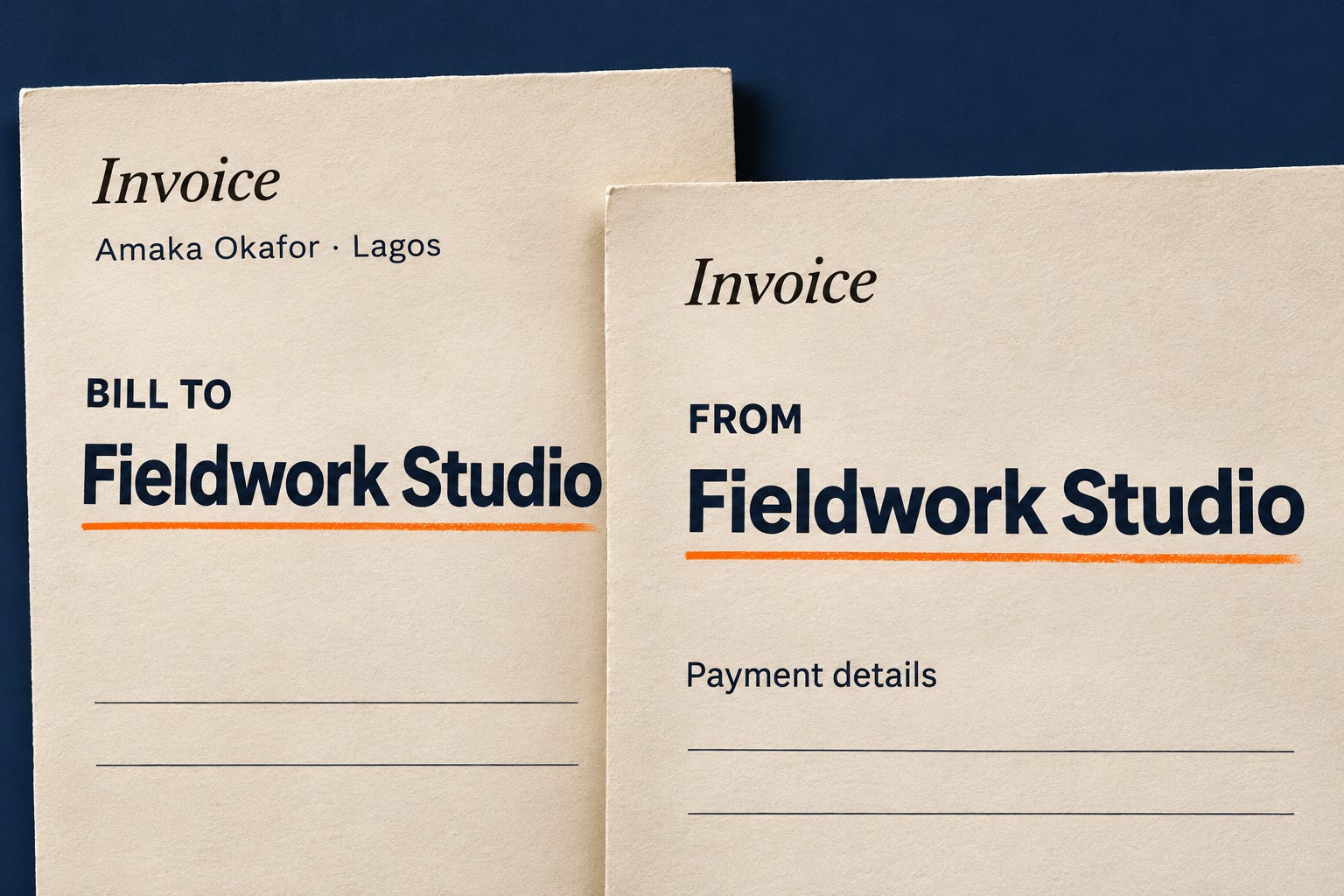
Cross-border payments are two businesses joined by a single transaction. There is money to collect from a sender in one country and a recipient to pay in another. Each end has its own regulations, compliance requirements and banking relationships. A fintech can start with either customer, but someone has to make both ends work.
Raenest made its name with the recipient. Its early Geegpay customers were African freelancers and remote workers who needed to receive money from abroad. Instead of asking every foreign client to navigate an international transfer, Raenest gave those workers USD, GBP and EUR account details to put on their invoices. A client in London could often make a local transfer, while Raenest and its partners handled what happened afterwards.
That arrangement left much of the payment in other hands. The sender’s bank or payments provider still conducted its checks, charged its fees and decided how to route the transfer. Raenest could make life easier for the freelancer while depending on other institutions for much of the infrastructure behind the transaction. Its recent regulatory moves are an attempt to reduce that dependence.
Raenest says it has secured money transmitter licences in six US states, including Florida, Georgia and Maryland. Read alongside its acquisition of the UK payments company Remitise, its registrations in Canada and its International Money Transfer Operator licence in Nigeria, the announcement shows a company building the regulatory base to handle more of those payments itself.
The natural customers for that infrastructure are the businesses paying Raenest’s users. A company paying one Nigerian contractor can tolerate a workaround. A company paying contractors and suppliers across several countries has a recurring operational problem. This is where an invoice does a second job. When a client asks a freelancer how she’d like to be paid, she can put her account details on the invoice or send a Raenest payment link. She has a reason to recommend a service that works for her. The freelancer provides the introduction. The employer can be the larger account.
Serving both sides would also give Raenest more control over the payment and more opportunities to earn from it. Fewer intermediaries could mean fewer partners to pay and fewer people to call when a transfer goes missing. Bringing that work in-house means paying the people who check customers’ documents, investigate flagged payments and chase failed transfers. How much of the fee Raenest gets to keep depends on how well it can do the work those partners charge for.
The licences cover eligible money transmission in six states. Raenest still relies on banking partners to hold and move funds, and US companies could already apply for Raenest business accounts. What changes is how much of a payment Raenest can handle under its own permissions.
Raenest says it has 1.5 million registered customers and has processed more than $3 billion. Those figures leave one question open. How many businesses first encountered Raenest because a freelancer sent them an invoice, then came back to pay somebody else?
Raenest made its name helping Africans get paid. It now wants a place on the other side of the invoice.
*Paid partnership with Raenest.
I tried paying with my phone for a whole day in Lagos. At the one till where it worked, the cashier was as surprised as I was. Watch the six-minute experiment on YouTube.
Please, send the Jumia piece. And thank you for every piece you have been sending.
Send the jumia piece