


If you missed Friday’s Notadeepdive, catch up here. If this newsletter was forwarded to you, subscribe here:
TOGETHER WITH CREDIT DIRECT
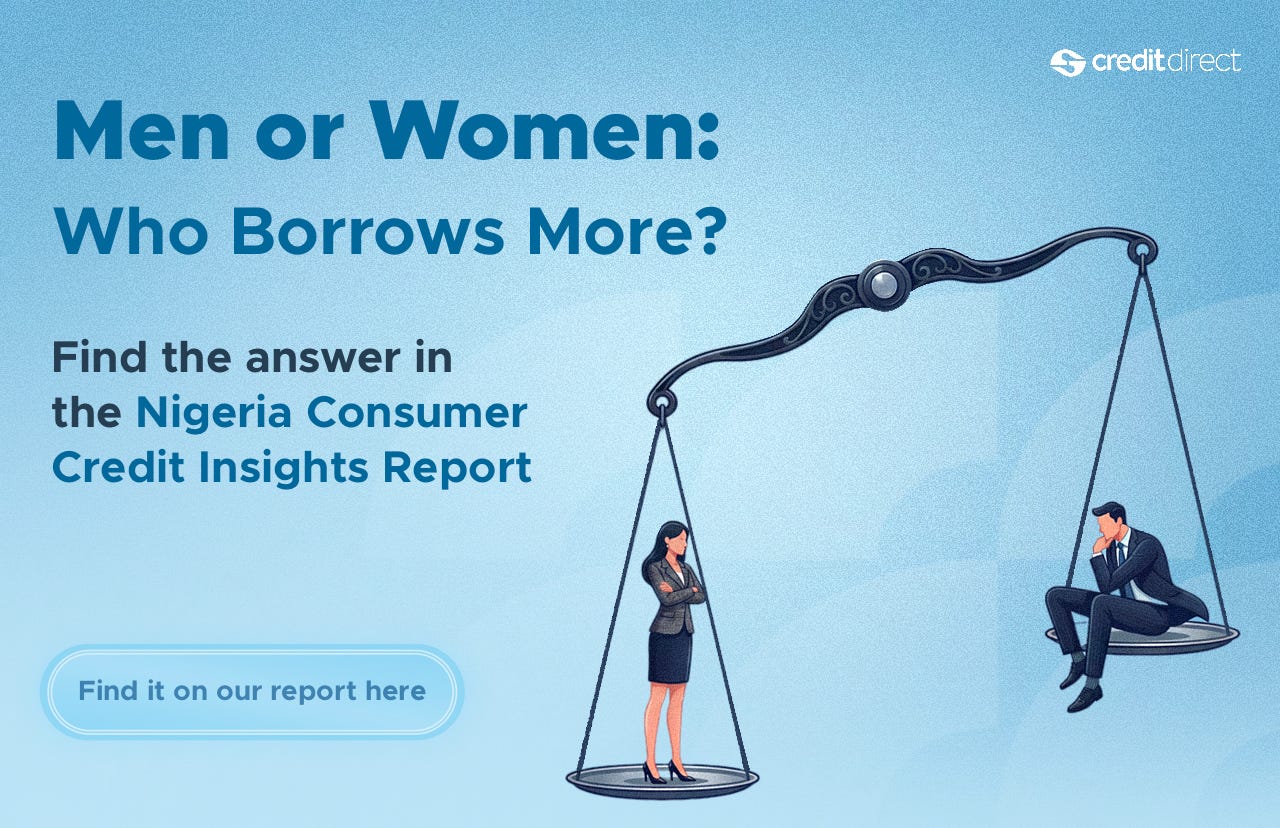
The answer might surprise you.
The Nigeria Consumer Credit Insights Report breaks down who borrows, how much, for what, and what it reveals about financial behaviour across the country.
The answer to that question is just the beginning.
Nigeria’s BNPL flavour
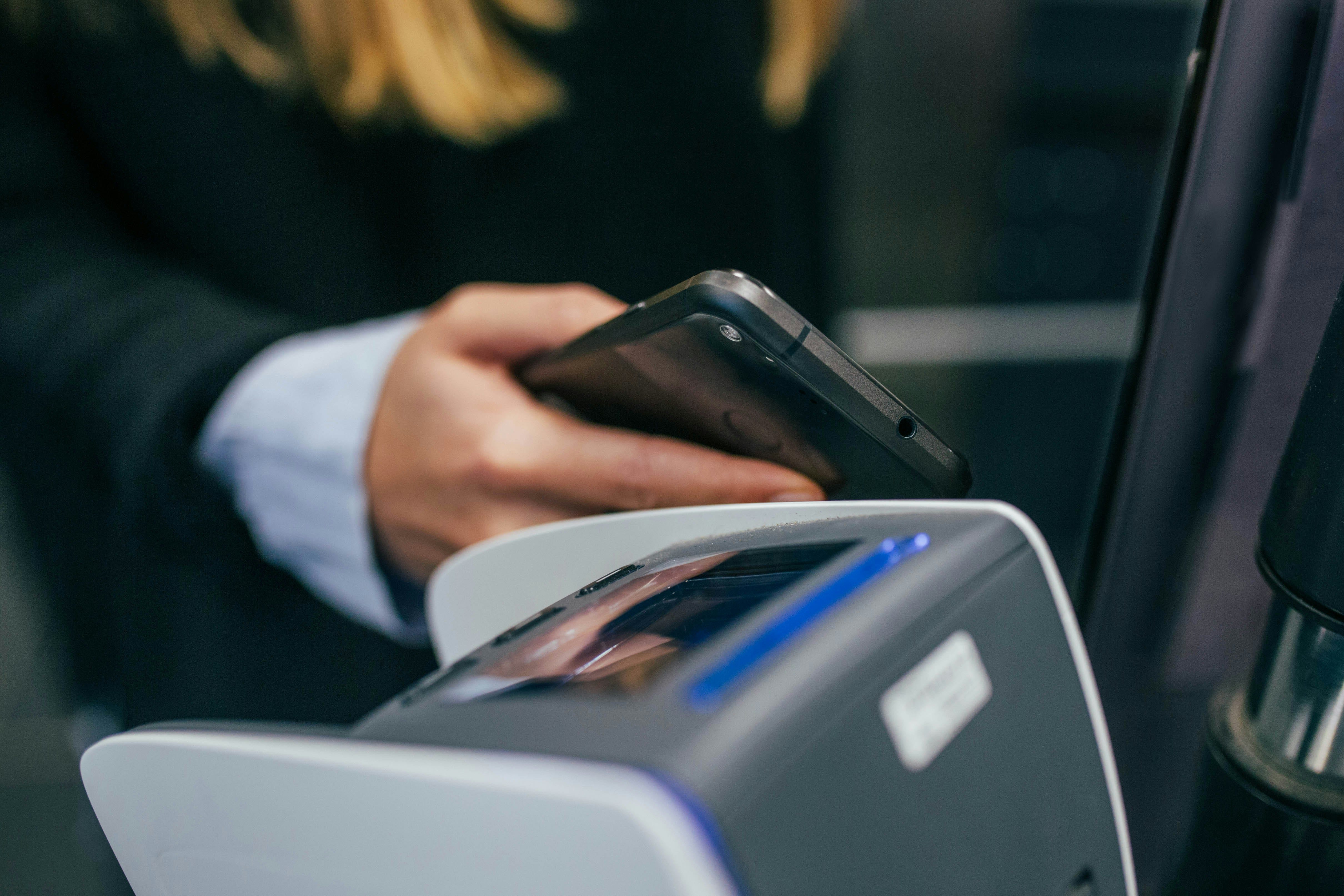
The point of Buy Now, Pay Later is that you want something. A coat, concert tickets, an iPhone 17 Promax. You'd like to have it now and deal with the cost later, in some abstract future. Klarna built an empire on this at the checkout pages of Nike, H&M, and, lately, Walmart. The things Americans most often finance this way are televisions, appliances, and the odd sofa. It's a way to buy what you can't afford and tell people that it works for your cash flow.
In Nigeria, people are using Buy Now Pay Later (BNPL) in counterintuitive ways. Most of the people using BNPL don’t have salaries.
Almost half of all the BNPL transactions in Credit Direct’s consumer credit report are from self-employed people, against under a third for people who draw a wage. The self-employed people even borrow bigger, which sounds backwards.
The premise of lending to a consumer is that the consumer has a payslip you can point at. Here, the people with none of that are the main customers, and you should see what they’re buying.
Top of the list are mid-range Android phones that cost ₦130,000 to ₦280,000, which the report calls the sweet spot. These are the most expensive phones you can get without putting up cash. (iPhones turn up too, albeit as a smaller slice, bought by people who could mostly have paid outright and chose to pay in bits anyway. That's the one corner of the Nigerian market doing the American thing.)
Picture the customer. You sell things like phone cases, frozen chicken, ankara, or work hours as a dispatch rider. While you don’t earn a salary, there’s a trickle of small payments that arrive when they arrive. So the phone is the shop where the orders come in, and where you check whether the transfer actually went through. But it costs more than you clear in a month.
When a factory borrows to buy a machine, we call it asset finance and give it a banker. When the woman selling provisions on a small scale borrows to buy a phone, that’s the Nigerian flavour of Buy Now, Pay Later.
M-KOPA has put more than $1.6 billion of credit into the hands of everyday earners — hairdressers, boda riders, carpenters, people with steady work and no payslip — mostly to buy smartphones, repaid in daily instalments that map how money reaches people like that. It says most of its customers use the phone to earn.
If you miss your payments, the phone switches off. It feels a little sinister, but it’s effective.
Asked how long they want to repay, most borrowers choose the longest term on offer. The monthly figure on anything shorter is one their cash flow can't survive, which is, again, why they're paying in instalments at all. The product assumes someone spreading out a treat. The person on the other end is rationing a business expense.
Maybe the self-employed borrow this way only because nobody else will lend to them, a phone is just a phone, and I'm reading a small-business epic into people buying Androids. Maybe. The Nigerian data can't see why anyone buys anything; it sees who, what, and for how long.
In America, Buy Now, Pay Later is sliding downhill, and people have started putting groceries on it. In Nigeria, BNPL was always a small-business loan for the millions who'll never be offered one.