


In 2025, we published 66 editions of Notadeepdive, which, depending on your exacting standards, might be a lot or too few.
I’ve filtered the year’s work down to the editions that either aged remarkably well—proving that our initial skepticism or optimism was well-placed—or were the most debated, sparking the kind of friction that actually moves the needle.
None of this would be possible without the support of Credit Direct, who understand that analysis requires the kind of independence we value here.
TOGETHER WITH CREDIT DIRECT
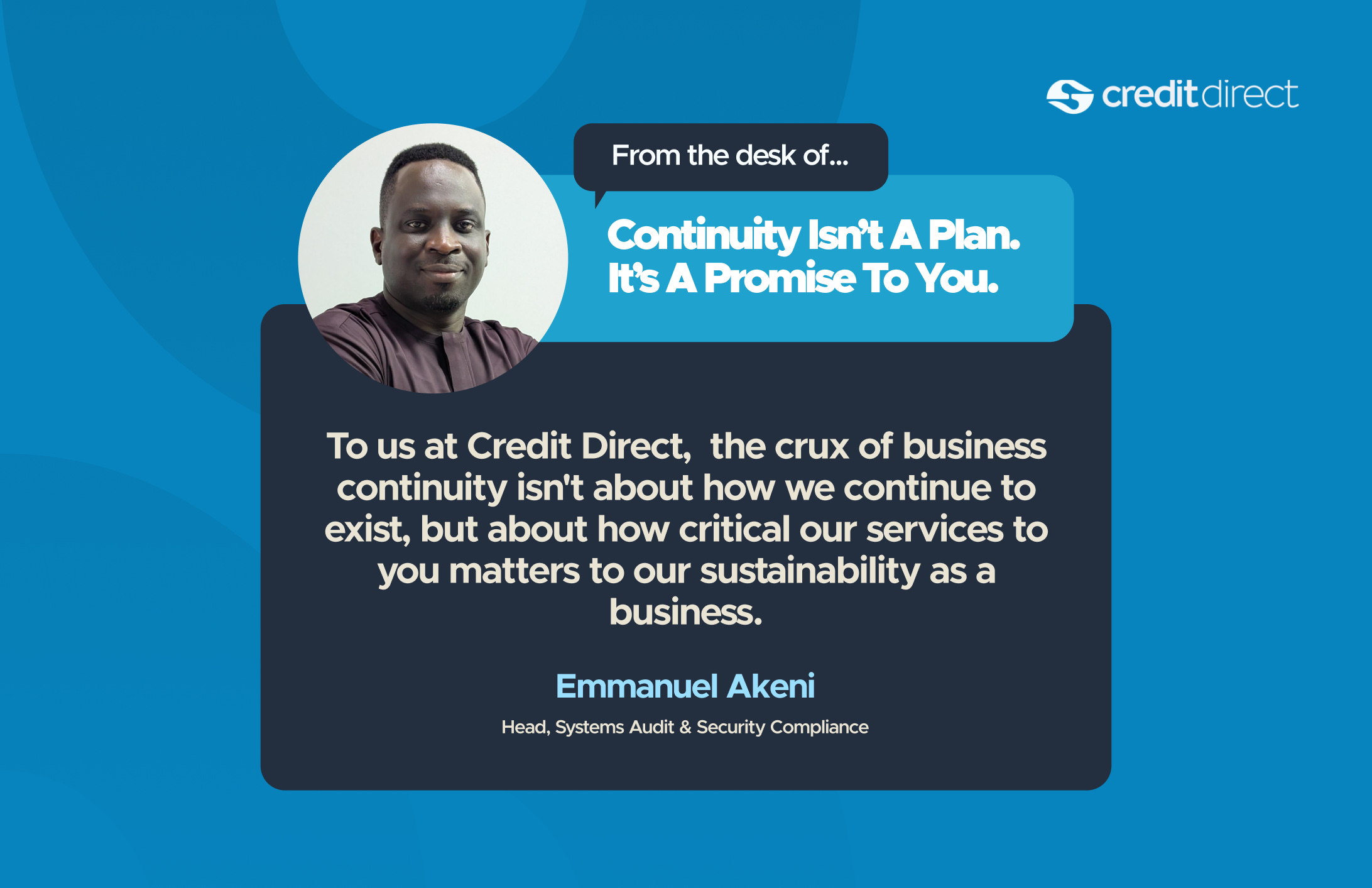
Sustainable businesses aren’t built on process alone. They’re built on kept promises. At Credit Direct, that shows up as consistency: showing up when it matters and still being there after the moment has passed.
Continuity isn’t a campaign for us. It’s the job. So whether you’re planning for today or protecting tomorrow, we’re built to stay in the picture.
Best of Notadeepdive 2025

1) Paystack’s Zap and the problem with “just ship it”
When Paystack launched Zap in March 2025, it was the worst-kept secret in the ecosystem. A big name, a product showcase, and the usual media choreography meant it dominated headlines.
Most coverage had breathless excitement and the hopes of competition with OPay and Moniepoint (Paystack was clear about not competing with those products.)
We got a launch story, product screenshots, founder quotes and applause. Questions about how well a B2C company could compete with a consumer product were light.
Now that regulatory pushback has changed Zap, it’s a good time to go back to questions on competing in the slugfest that is B2C.
Unrelated: Am I the only person who can’t seem to avoid Zap ads on Instagram?
2) Jumia’s $13.7m cloud bill
Will it be Notadeepdive if Jumia isn’t on this list? When you subscribe to Notadeepdive, you are also signing up (whether you like it or not) for a healthy obsession with the Amazon of Africa.
While Jumia has had a pretty good year, we saw some disclosures that showed glimpses of the past. In 2024 for instance, it spent $13.7 million on cloud costs.
It’s a mind boggling figure that reminds us that this was once a company that was obsessed with growth and domination at all costs.
That edition also has a section I still think about: how to judge retail footprint without falling for the usual PR optics. Not “they’ve opened 300 stores in the last two months” storytelling—actual signals that separate real distribution from magic tricks.
3) Fundraising media games
There’s a lot of theatre in raising money. Sometimes it’s strategy, other times, it’s price discovery dressed up as “sources familiar with the matter.”
For example, Bloomberg published stories about Moniepoint seeking a $1bn valuation years before the company officially became a unicorn. In hindsight, those stories were likely a signal to test the market, anchor expectations, attract investor attention, or all three.
In that newsletter, I compared two very different archetypes:
the company that rarely talks (and therefore controls scarcity)
The company that will almost certainly be Africa’s next unicorn (and therefore becomes a magnet for narrative).
The point wasn’t “media is bad” or “PR is manipulation.” It’s that fundraising is not just about numbers; it’s about who controls the story that investors are using to justify the numbers.
4) Fintechs as Afrobeats stars (and a note on knowing when to stop)
Notadeepdive is partly serious analysis and partly entertaining, yet it’s not always been easy to experiment every other week.
That’s why the “fintechs as Afrobeats stars” edition made my favourites list. It was such a fun way of understanding the positioning of Nigeria’s fintechs. Much like in music, it’s not sufficient to have a good product; you need distribution, a war chest, and a loyal fanbase.
The edition also includes the part most creators won’t admit: formats have shelf life.I even wrote a side note about stopping the format when the returns started dropping because “running a joke into the ground” is a real business model on the internet, and I’m trying not to do that.
5) Airtime lending; a profitable businesses hiding in plain sight
By sheer numbers, the most popular Notadeepdive newsletter from 2025 was the one about the big, beautiful business of airtime lending.
I still like this one because it’s peak Notadeepdive: finding the real business inside the business.
The coverage of public companies can be painfully same-ish. We all get the top line, bottom line, and some tired paragraph about headwinds. Meanwhile, some of the most revealing stuff is sitting in the financial statements like a quiet confession.
What made this edition land wasn’t just the numbers; it was the recognition moment: “Wait… this is a whole business?” People understand airtime lending emotionally before they understand it economically.
6) The guest response to Nnanna’s VC thesis
Another favourite from 2025 was a guest submission responding to Nnanna’s essay on the VC thesis for Nigeria.
It’s always nice when readers reply with “good point.” But the highest form of praise is when someone reads an argument and thinks: I need to sit down and write 800 words back.
That edition mattered because it turned Notadeepdive into what I always hope it can be at its best: a place where people sharpen ideas. Not cheerleading. Not posturing. Actual engagement with the thesis: where it holds, where it doesn’t, what it ignores, what it assumes.
All in, this was a fun year. See you next year! Don’t forget to leave a comment or a like, or both!
Happy new year r and well done on 66 newsletters.