


If you missed Thursday’s Notadeepdive, catch up here. Subscribe for free if this email was forwarded to you:
TOGETHER WITH CREDIT DIRECT

This is one of the top 5 gifts you’ll ever give.
Watch this video to know what makes gifting an investment special.
Everyone is in the Arena
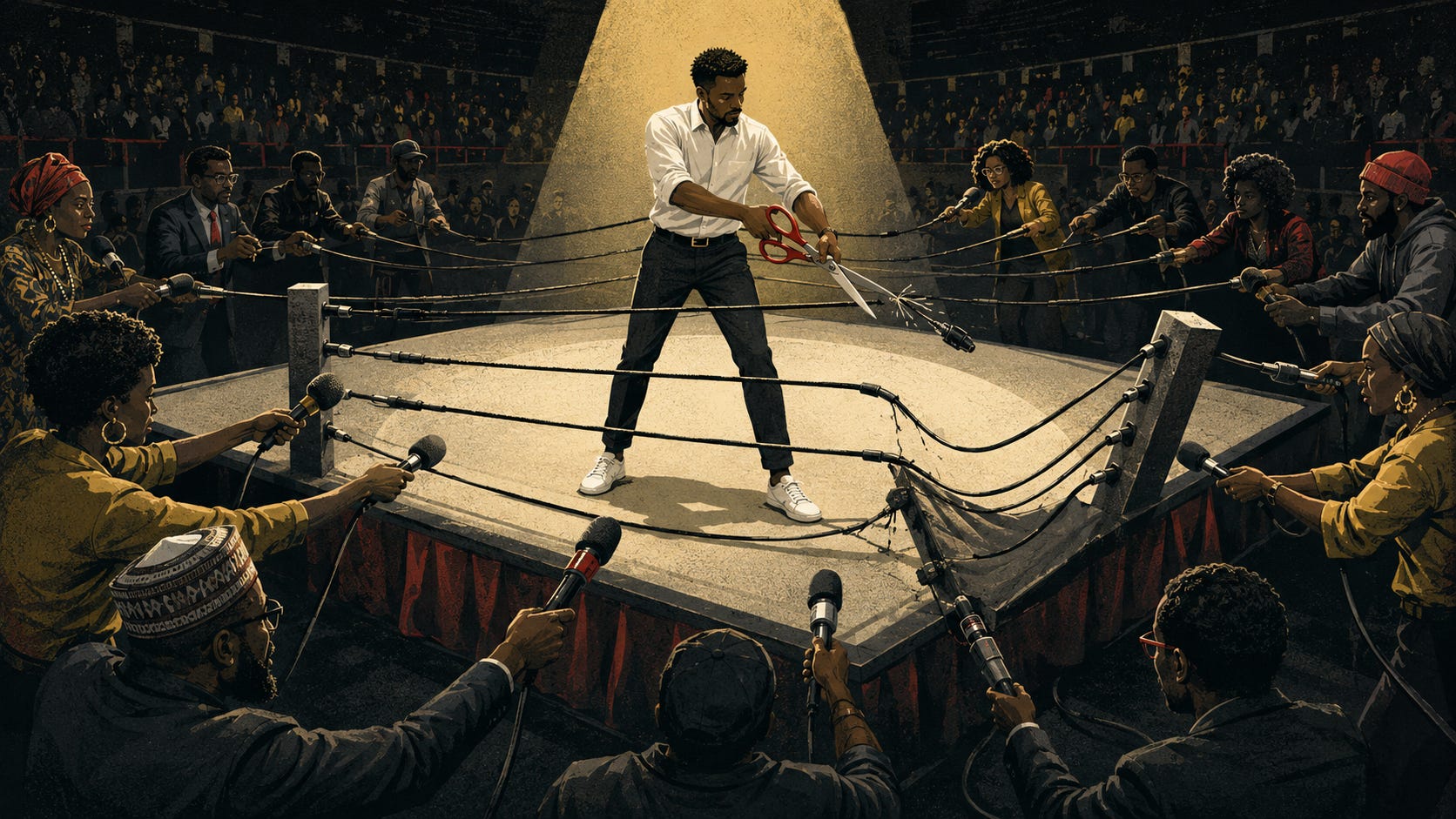
Stephen A. Smith is the highest-paid basketball analyst in the world. Depending on whose figures you believe, ESPN will pay him around $100 million over five years to talk about sports.
He never played in the NBA. In his final season at college, he averaged 1.5 points per game, a statistic the internet has used as a running joke for over two decades. In a colorful career on television, he has feuded with LeBron James, Bronny James, Kyrie Irving, Jaylen Brown, Zion Williamson and Kevin Durant.
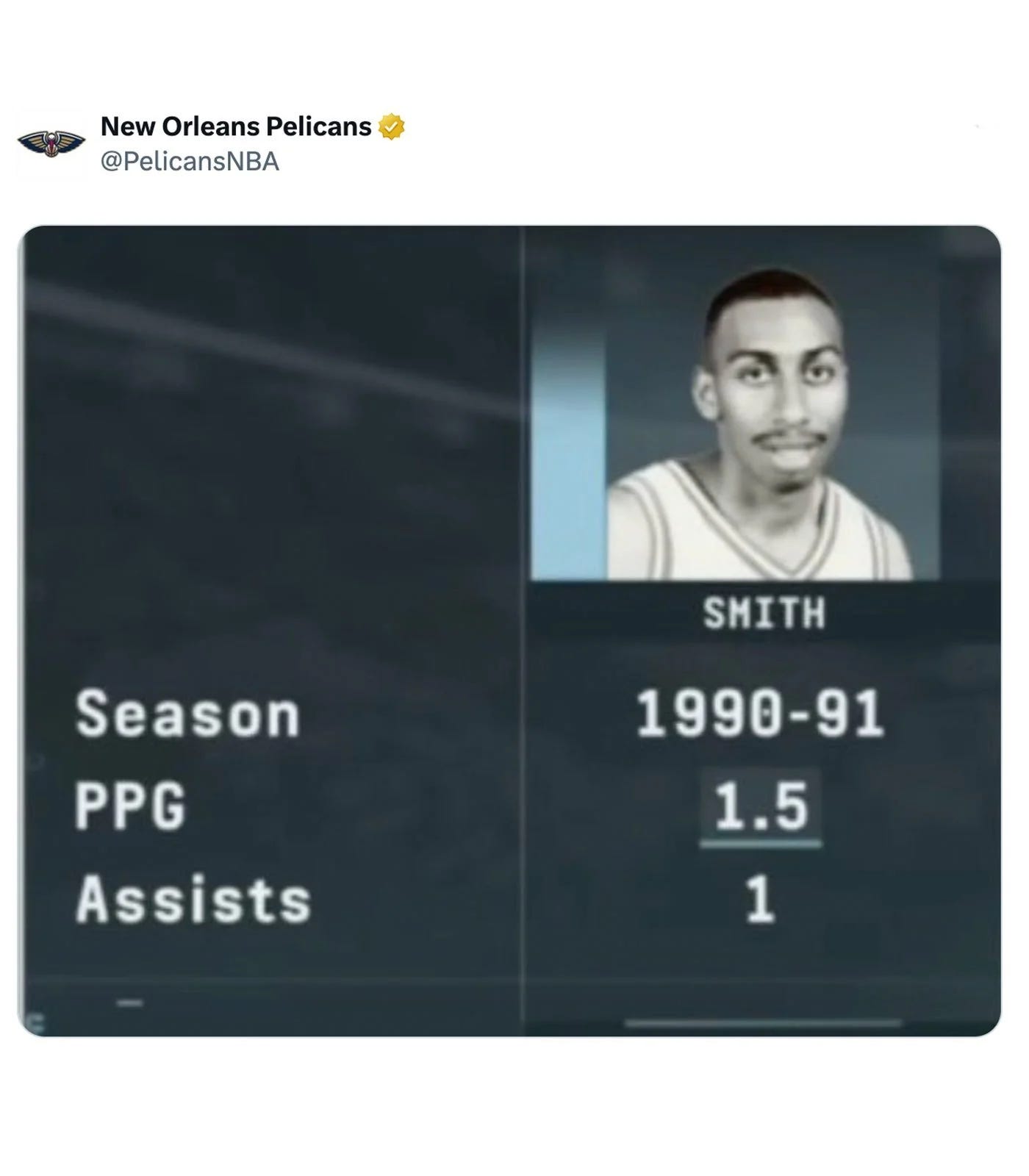
In a business full of Hall of Famers, championship-winning coaches and former executives on television, the most influential voice in basketball is a man who never played it professionally.
Despite this, Smith likes to remind players that the media attention they resent makes their enormous contracts possible. Charles Barkley, who earned about $40 million during his 16-year career, has pointed out that teams now hand $300 million to “bums.”
While it all sounds like two rich broadcasters being rude to younger rich people, it is also broadly how basketball makes money.
Fans watch games, and networks pay the NBA for the right to air them. The league shares the television money with teams who channel it towards salaries.
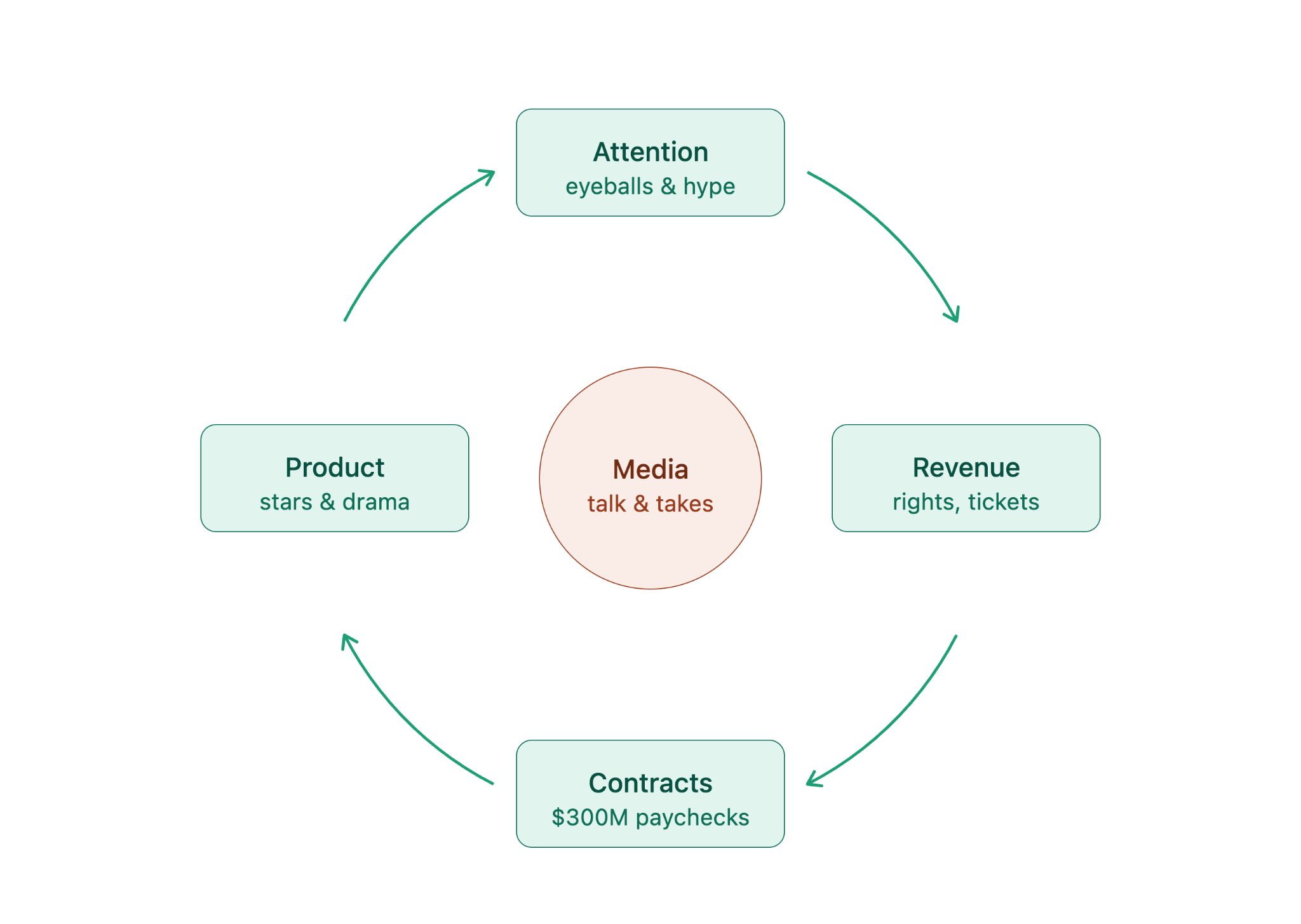
The 48-minute game is the main event, but the feuds, interviews, podcasts, and television content keep people interested between games. ESPN pays Stephen A. because he can attract an audience, and downstream of that is revenue for $300 million contracts.
This brings us, unfortunately, to another media-versus-man-in-the-arena argument.
Conversations are part of the product.
Building a market requires people to care. If a startup builds a product, they need people to write about it, argue, or constructively tear it apart.
Last week, GoLemon announced that it was shutting down, and the Nigerian technology ecosystem reacted accordingly. Customers shared stories about a product they loved while others explained why they had stopped using it. Operators broke down the economics of grocery delivery while journalists revisited GoLemon’s journey and the wider venture-backed logistics market. Newsletter writers published post-mortems and consultants offered strategies nobody requested. Instagram reels gave us reflections and hot takes.
These reflections ranged from thoughtful to lazy to blaming the economy and government to being flat-out wrong.
Predictably, founders, friends of founders, investors, and those who dub themselves the ‘men in the arena’ (from the famous Teddy Roosevelt speech) logged on. They objected that people who have never built companies have no right to analyse those who have, a.k.a, talk is cheap.
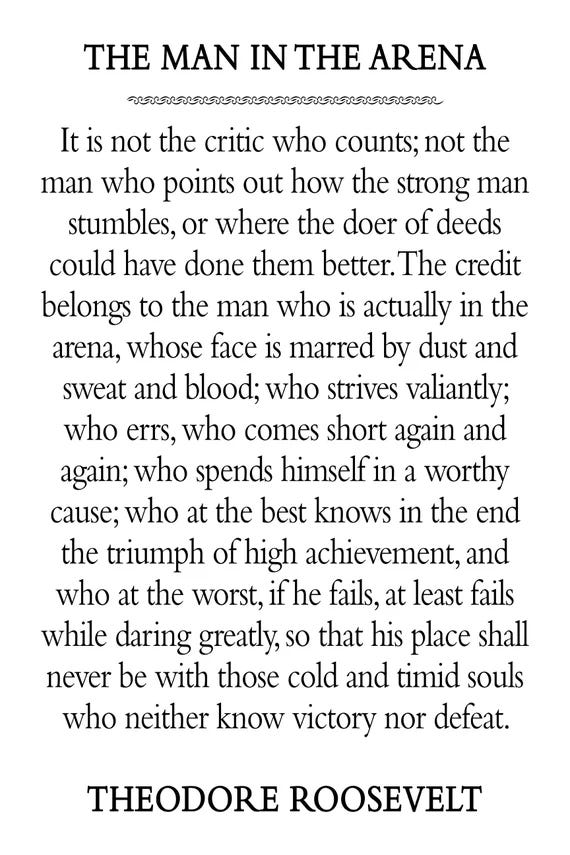
Building a company is hard work, and watching years of work reduced to a lazy LinkedIn post must suck, but this default response to criticism and commentary is equally as lazy.
We complain about Apple, GTBank, OpenAI, X, and Google all the time. Human beings work there, and some have devoted twenty years of their lives to these companies. The difference is that most people cannot send Tim Cook a WhatsApp message or run into Sam Altman at a technology conference.
Yet, because we know startup founders in Nigeria, can reach them and may need a favour from them one day, their companies are supposed to sit outside the normal range of public commentary. Familiarity must become immunity.
Paying customers are allowed to have opinions about the companies taking their money. Employees are allowed to discuss the places where they spend most of their waking hours, and investors are allowed to ask what happened to their capital. Journalists should examine companies that want customers, funding, regulatory concessions and flattering profiles when things are going well.
A founder obviously has more at stake than someone firing off a LinkedIn post from the safety of their office. The founder’s explanation carries more weight, but it does not mean everyone else is sitting in the stands eating popcorn.
One of the biggest stories from the World Cup was Cabo Verde’s 40-year-old goalkeeper Vozinha, who made seven saves in a 0–0 draw with Spain.
During the game, the Brazilian broadcaster CazéTV began asking viewers to follow Vozinha on Instagram. He went from roughly 50,000 followers before the match to nearly 10 million within 24 hours and almost 30 million by the end of the tournament.
Five days later, Curaçao’s Eloy Room made 15 saves against Ecuador, setting the World Cup record for most saves completed in 90 minutes. Room produced the better single performance of the tournament, yet his Instagram following grew to a modest 800K on the same day as the match.
The difference in outcomes here is thanks to media narratives and commentary around both individual performances.
That is not a flaw in the media. It is how the media works everywhere, in sports, entertainment, business, politics. MI Abaga said it best.
“If nobody talks about you, then you are nobody.”
Being talked about is one of the costs of building something that hopes to attract paying customers. The attention that brings users, investors, and glowing profiles will occasionally bring criticism, mockery, and people who confidently misunderstand the business.
The right to comment is not a licence to be careless.
A useful post-mortem should explain what happened, show evidence and distinguish what is known from what the writer is guessing. Founders should correct false claims, and commentators should accept those corrections. Personal attacks and cruelty add nothing.
Every space needs its NBA Twitter, Football Twitter, Stephen A. Smiths, and Fabrizio Romanos to complement its Ernie Johnsons and David Ornsteins, and they have to coexist with the product that attracts viewership, paying customers, and analysts.
Super fans, haters, professional talking heads, podcasters, newsletter writers, consultants, armchair quarterbacks, quality and poor commentary can exist side by side, with the entrepreneurs in the arena, but silence, cruelty, laziness, personal attacks, and policing of speech on both sides does not advance the space when issues are had.
My bias is to employees, and whenever people invoke the arena, they rarely mean the people who spent years building the company beside them.
Go hard or GoLemon

If you missed Sunday’s Notadeepdive, catch up here. Subscribe for free if this email was forwarded to you:
When GoLemon announced its shutdown, one of the applaudable things the founders did was publicly recommend their team for new roles.
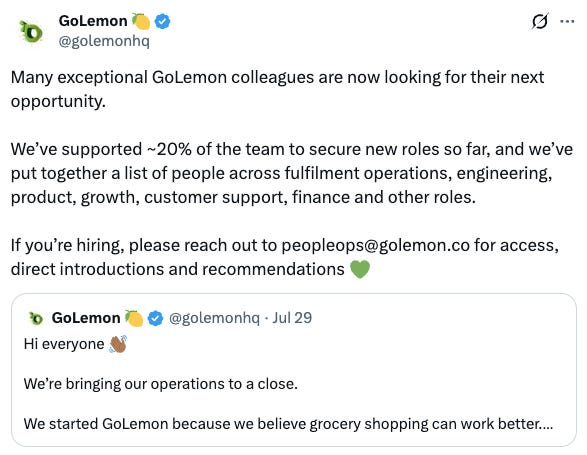
Those employees were also in the arena, as were the customers.
Nothing but respect to people in the arena.
All of them.

Lovely article 👏🏾
I love the employee bit and I do agree that this group is definitely in the arena. I also think the media is a stakeholder that's definitely in the arena as well.
I struggle to accept that everyone is in the arena though. Plus I worry it kind of gives the same level of credit to talkers and doers. I don't know mehn. Perhaps will publish a response piece when I've articulated my thoughts on this issue.
Thanks for sharing chief.